
.svg)
The Ultimate
Bill-Crusher
How grid-tied solar works
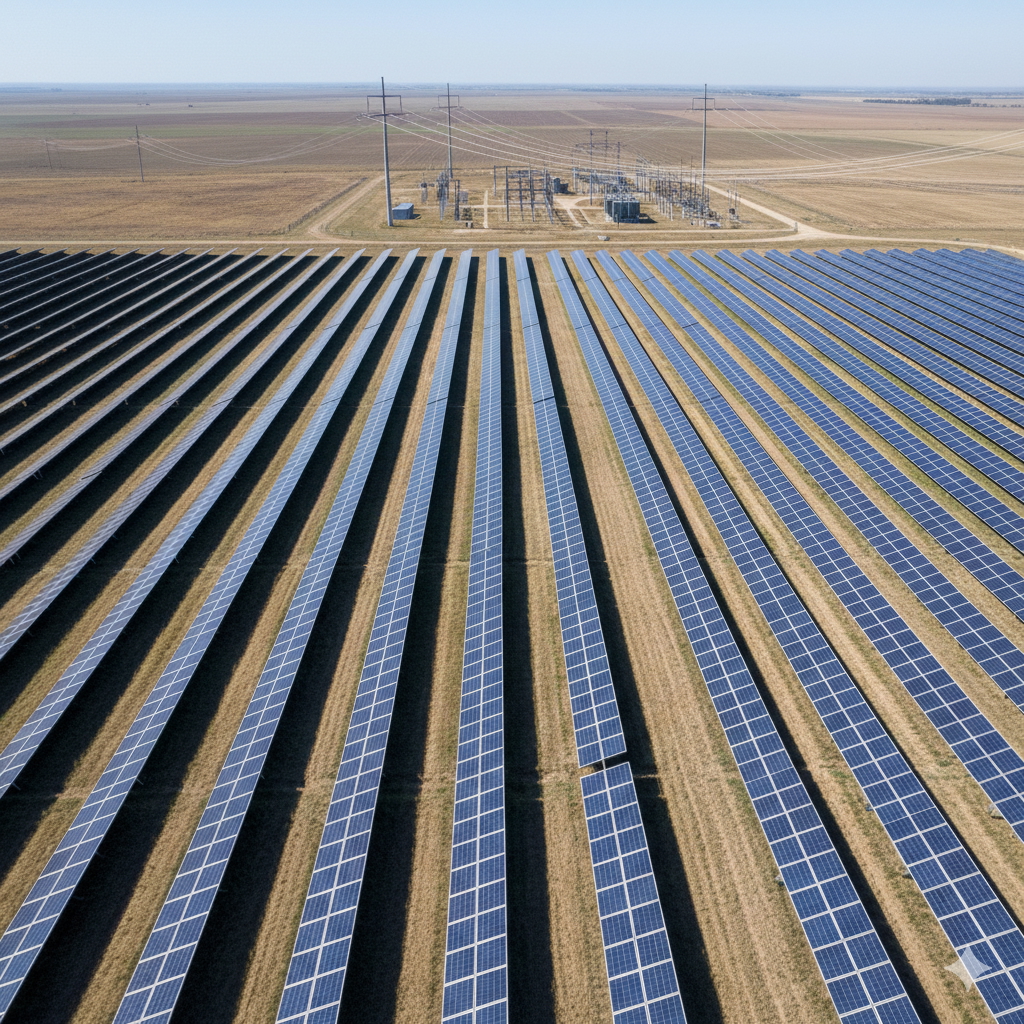
A Grid-Tied system is the most popular and cost-effective entry point into solar. Your home remains connected to the local utility grid, which acts as a massive "virtual battery." The most common model for this system is selling your energy: during the day, your panels often produce more than you need, and that surplus is exported back to the utility company in exchange for credits or payments, effectively turning your roof into a mini power plant.
The Core Components
Four components work together to capture and deliver clean power.
Solar panels
High-efficiency monocrystalline modules.
Grid-Tie Inverter
Converts DC power to AC for home and grid use.
Mounting Hardware
Roof or ground racking.
Bi-directional Meter
Tracks how much energy you sell versus how much you buy.
Storage & Batteries
In a standard grid-tied setup, batteries are not used. This keeps the initial investment low and the return on investment (ROI) fast. However, because there is no local storage, the system cannot provide power during a blackout. You rely entirely on the "sell-back" model to offset your evening energy costs.
Who Is This For?
This is the ideal solution for urban and suburban homeowners with reliable grid access. It’s designed for those whose primary goal is slashing monthly electricity bills by selling clean energy back to the community.